Project Materials
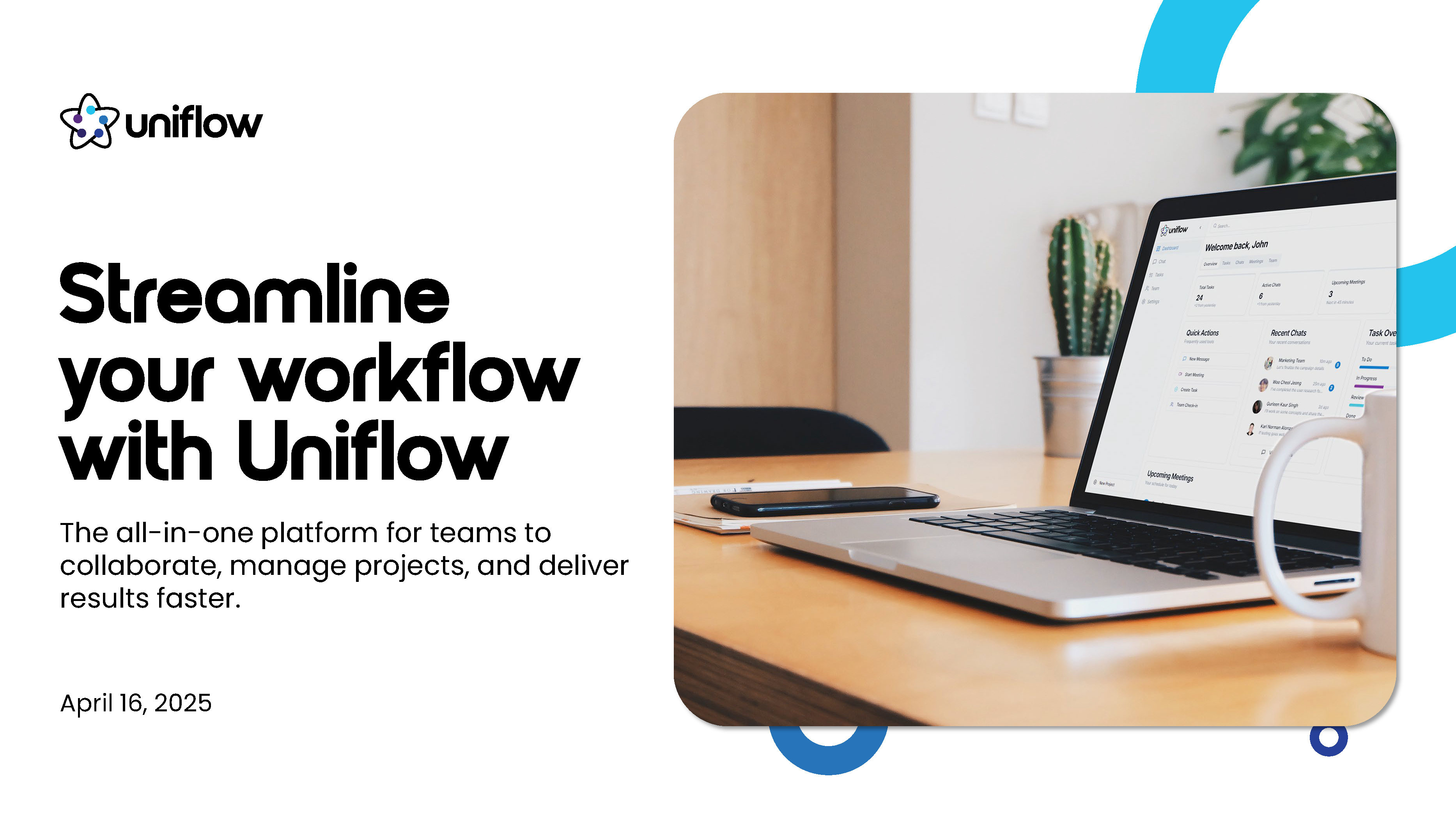
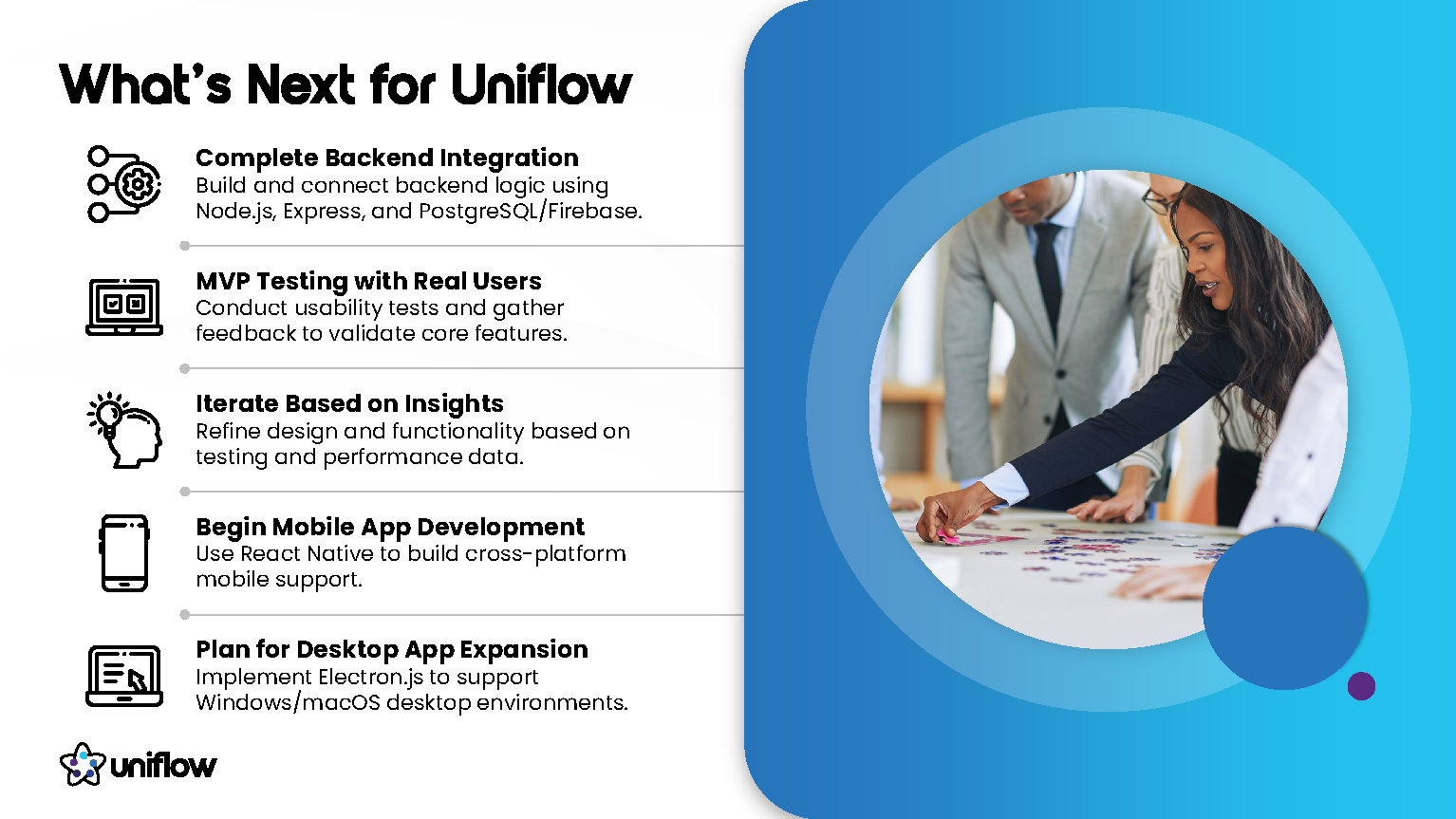
Uniflow – Remote Collaboration Platform
Uniflow is a web-based collaboration platform created during the Winter 2025 semester at SAIT. It was a group project by Angelo B., Kevin K., Karl A., Gurleen S., and me (Woo).
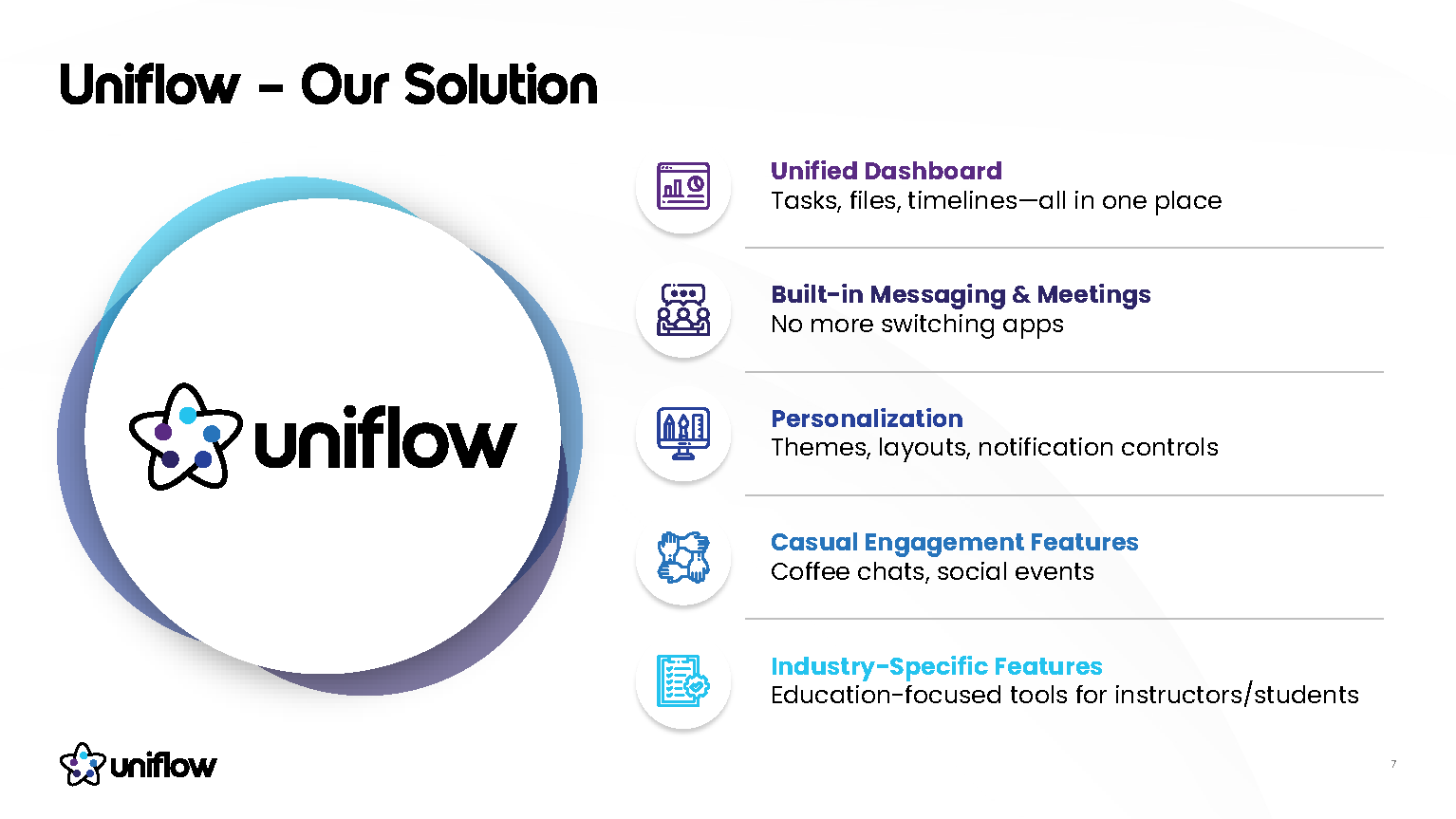
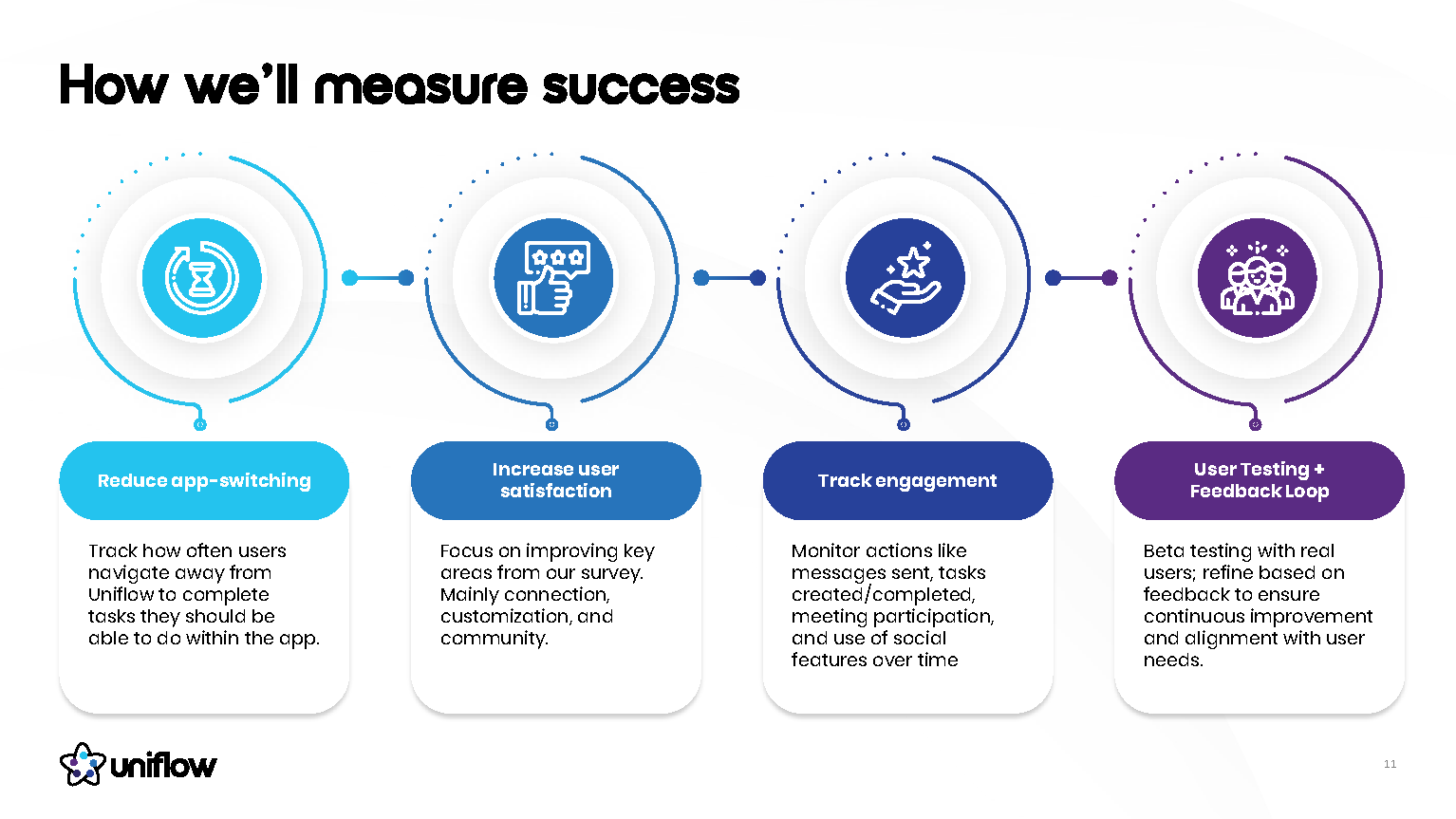
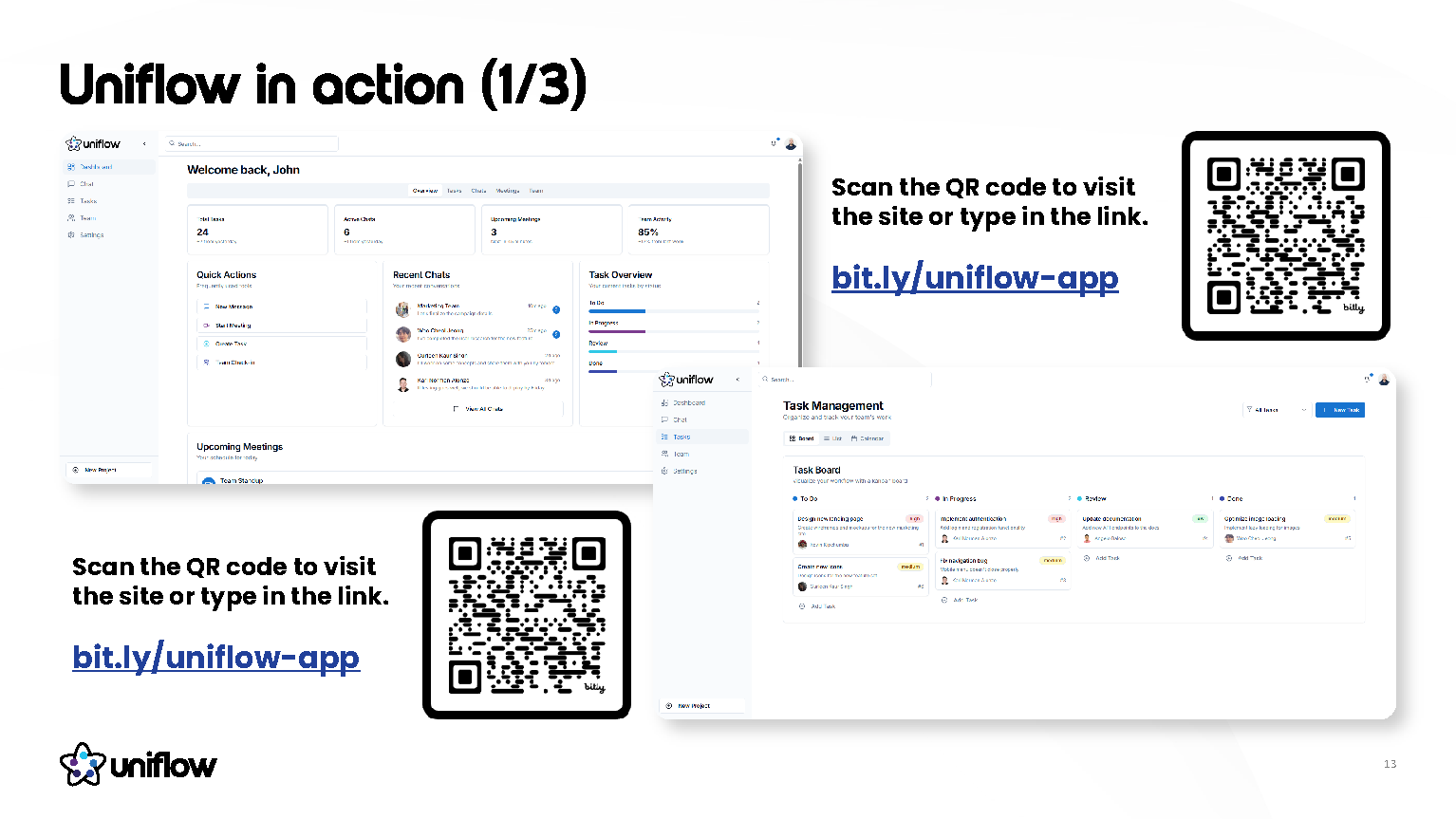
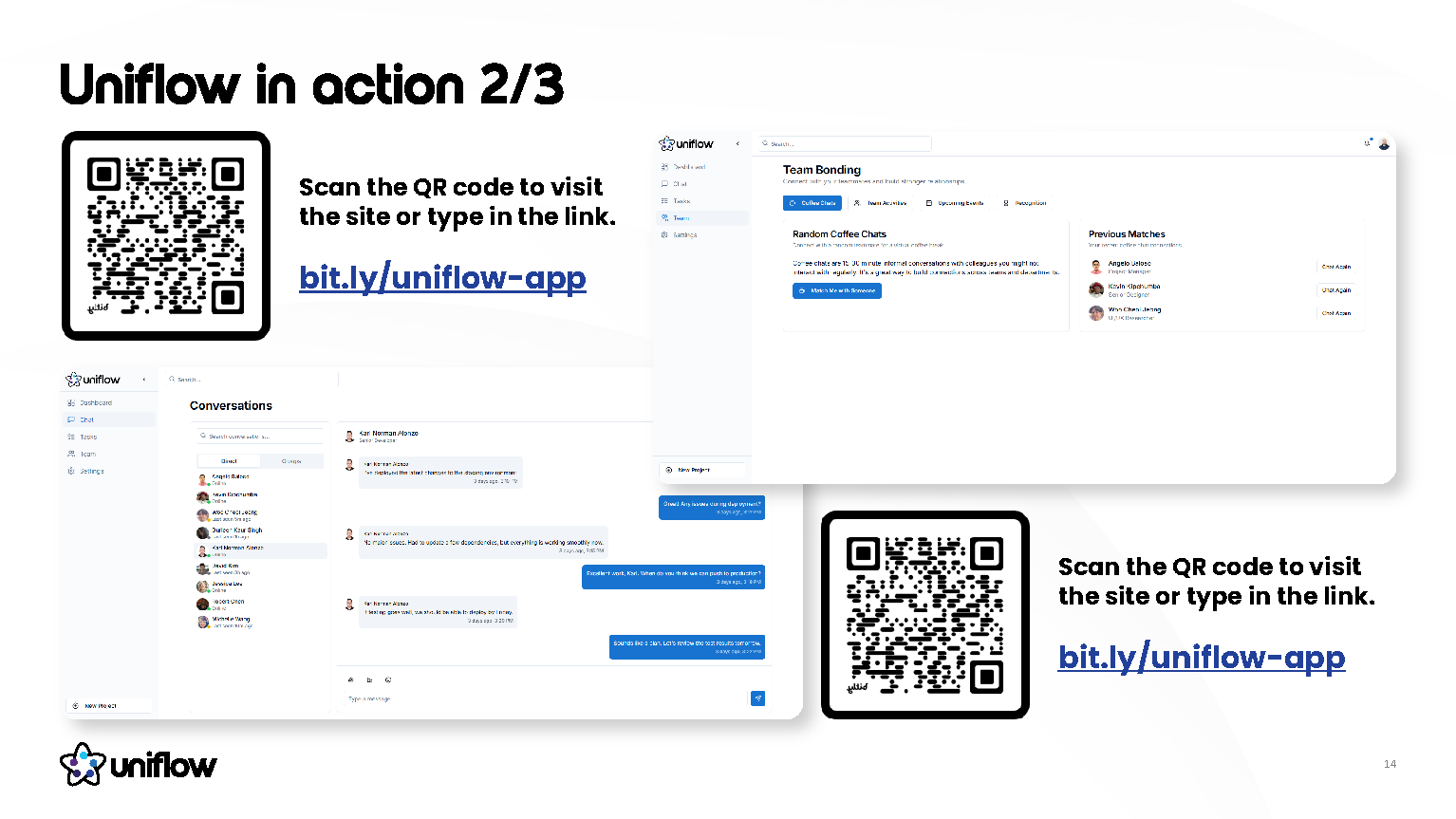
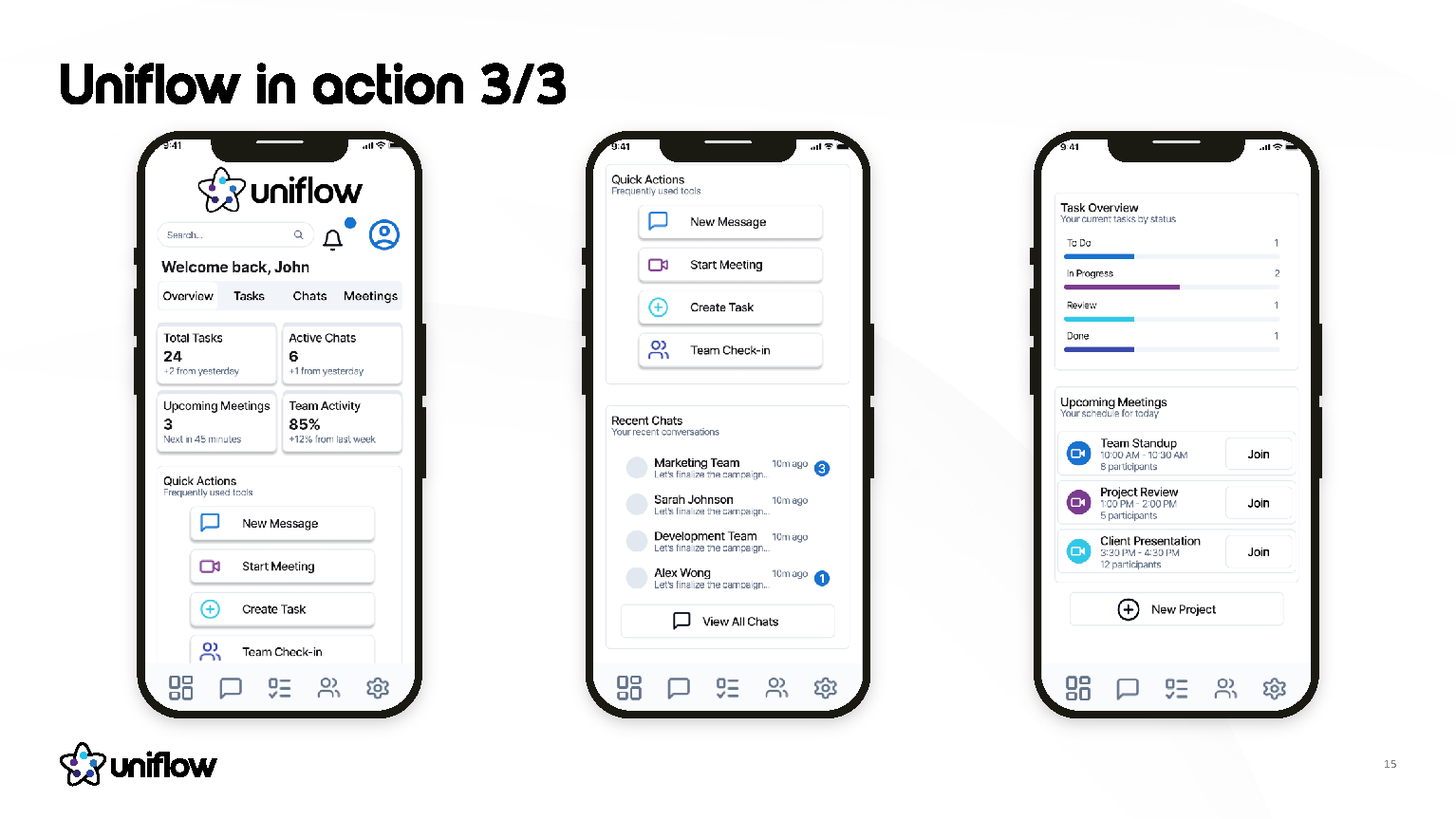
The project aimed to enhance remote team communication and work management. We developed an integrated dashboard that combines real-time updates, team messaging, and personalized tools. Uniflow addresses common challenges like fragmented communication, unclear task ownership, and limited team visibility.
Problem & Design Solution
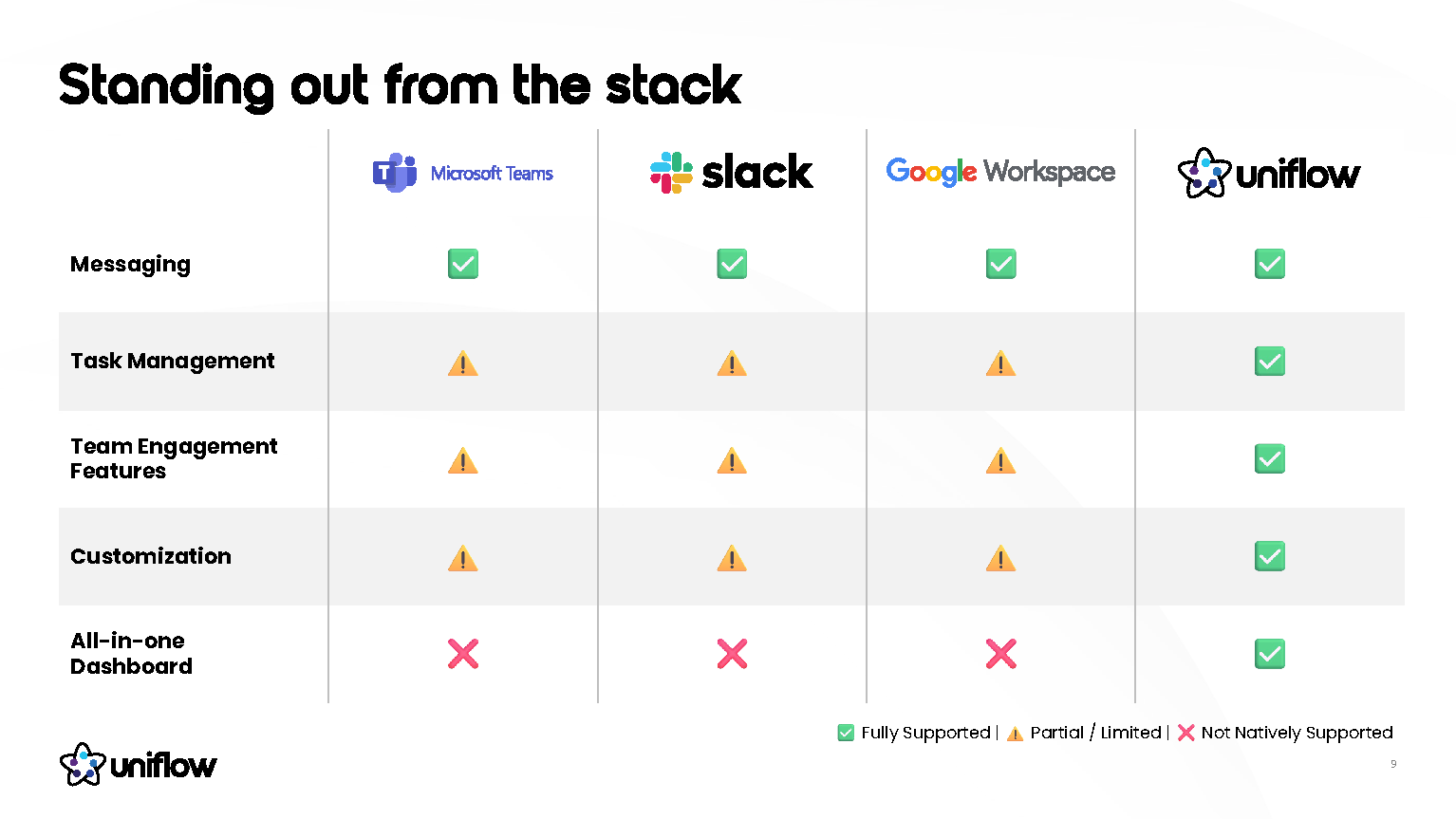
Early on, we found that many remote collaboration tools are either too complex or lack focus. Uniflow combines messaging, task tracking, and dashboard overviews into one streamlined experience. Our solution focuses on simplicity, customization, and clarity, helping teams stay aligned and productive.
Research & Key Insights
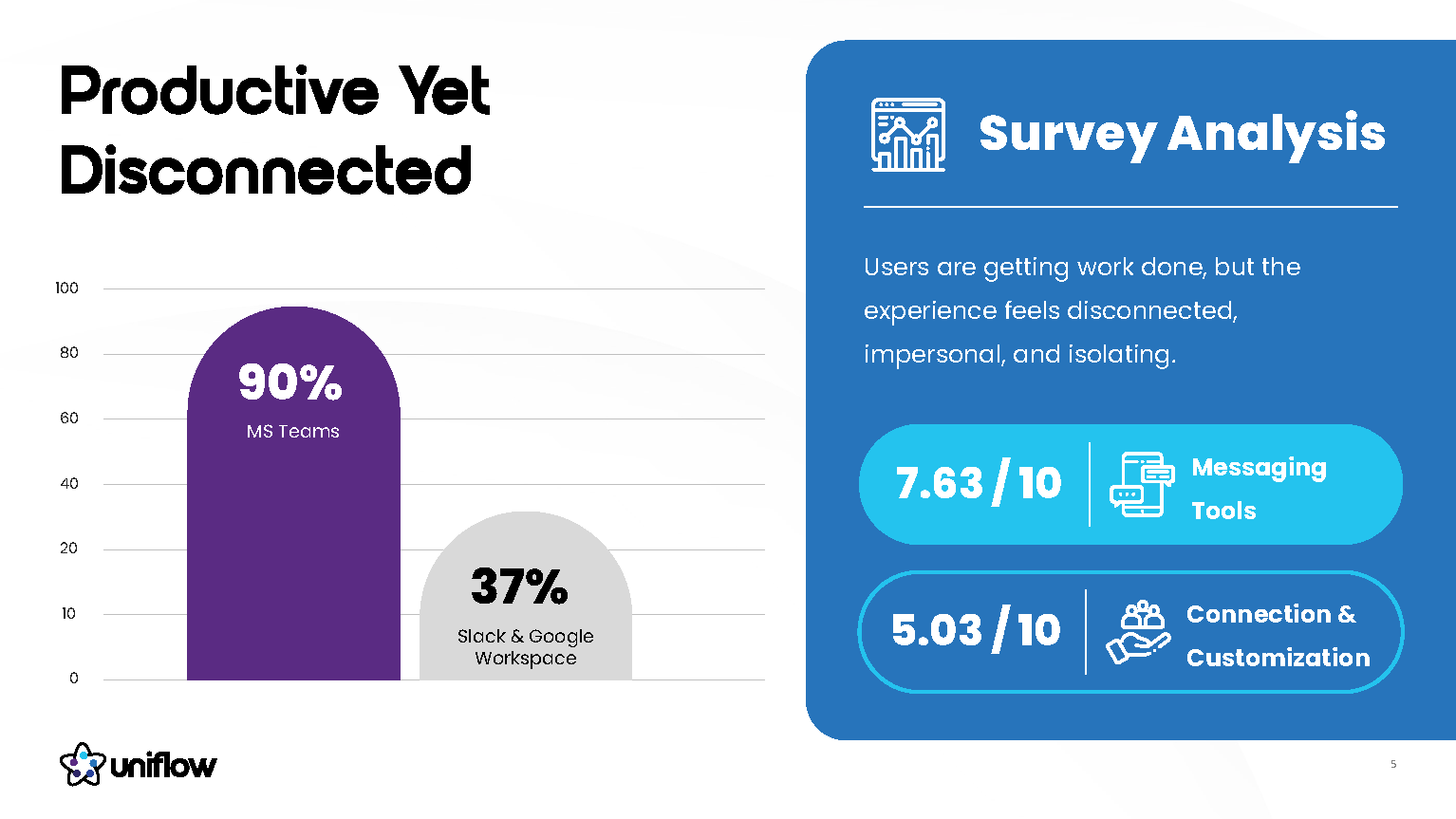
Our team gathered insights through surveys, user interviews, and competitor analysis. Key findings included:
- Users prefer fewer tools that can do more instead of juggling multiple platforms.
- A clear dashboard reduces stress and boosts team coordination.
- Teams value simple, accessible communication tools over complicated features.
- My Role & Tools Used
I worked on user research, UI concept development, and dashboard mockups.
The tools I used were:
- Figma (for wireframes and UI design)
- Google Forms (for surveys and data collection)
- Microsoft Teams (for collaboration and file sharing)
- Adobe Photoshop & Illustrator (for visual elements)
- Team Process
- 1. Define the problem
- 2. Generate potential solutions
- 3. Collect feedback
- 4. Integrate feedback
- 5. Present final design
Each phase included team discussions, feedback synthesis, and iterative development based on user insights.
Takeaways
This project highlighted the importance of clearly framing problems and designing with user feedback. I learned how to collaborate in a UX-driven team and refine ideas through structured iterations. Ultimately, Uniflow reminded us that effective design focuses on clarity, not just features.
Project Team
Attributions and References
- Daniel S. – LinkedIn